What role does emotional intelligence play in AI-mediated communication?
A comprehensive, data-backed answer to: What role does emotional intelligence play in AI-mediated communication?
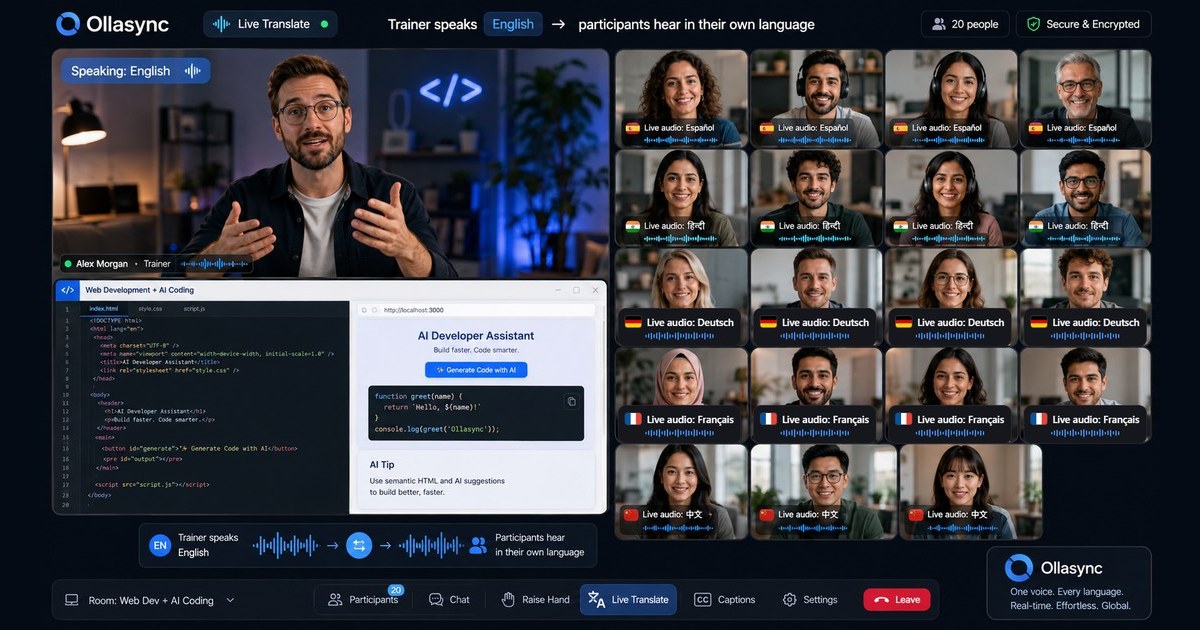
What role does emotional intelligence play in AI-mediated communication?
Chapter 1: The Direct Answer & Executive Summary
The Short Answer: What Role Does Emotional Intelligence Play in AI-Mediated Communication?
Emotional intelligence (EI) serves as the critical regulatory, interpretive, and calibrating layer in AI-mediated communication (AMC). While artificial intelligence generates, summarizes, and routes high volumes of language at scale, emotional intelligence provides the psychological scaffolding necessary to decode implicit human intent, modulate linguistic tone, prevent conversational friction, and preserve relational trust between communicators.
+-----------------------------------------------------------------------------------+
|                           THE CORE DUALITY IN AMC                                 |
+-----------------------------------------------------------------------------------+
|  ARTIFICIAL INTELLIGENCE (The Engine)   |  EMOTIONAL INTELLIGENCE (The Calibrator)|
|  - Semantic parsing & syntax generation |  - Subtextual nuance & sentiment reading|
|  - Scalable data processing & latency   |  - Empathy modeling & tone regulation   |
|  - Logic, structure, and intent routing |  - Relational repair & trust management |
+-----------------------------------------------------------------------------------+
In enterprise environments, customer experience ecosystems, and collaborative knowledge work, evaluating what role does emotional intelligence play reveals four distinct operational functions:
- Contextual Sentiment Decoding: Disambiguating literal text from emotional subtext, sarcasm, frustration, and urgency.
- Adaptive Tone Modulation: Dynamically adjusting conversational register (e.g., apologetic, authoritative, reassuring, concise) based on recipient psychological state.
- Friction Mitigation and De-escalation: Neutralizing high-stakes misunderstandings caused by the cold, transactional nature of algorithmic outputs.
- Relational Cohesion Maintenance: Ensuring that synthetic or AI-assisted interactions do not degrade long-term human connection, empathy, or organizational trust.
Executive Summary: The Structural Necessity of EI in Synthetic Discourse
As modern enterprises transition from direct human-to-human interaction to AI-mediated communication—encompassing LLM-drafted emails, real-time agent assist tools, automated customer service agents, and generative workspace summarizations—an operational paradox has emerged: increased linguistic efficiency often introduces communicative fragility.
Language models possess unprecedented syntactic fluency, yet they lack intrinsic affective awareness. They process tokens based on statistical probabilities rather than shared psychological experience. Consequently, without emotional intelligence—whether deployed via advanced affective computing models (artificial emotional intelligence / Emotion AI) or applied through human-in-the-loop oversight—AI-mediated communication consistently suffers from three systemic vulnerabilities:
- Affective Blindness: Inability to recognize when an accurate, logical answer is psychologically inappropriate for an agitated or vulnerable user.
- Linguistic Hallucination of Empathy: Producing formulaic, performative apologies that alienate users instead of establishing genuine rapport.
- Contextual Misalignment: Overlooking relational hierarchies, cultural sensitivities, and micro-sentiments embedded in human discourse.
To address these vulnerabilities, emotional intelligence acts as an algorithmic and operational governance framework. It transforms AI from a purely transactional utility into an empathetic communication bridge.
The Four Pillars: How Emotional Intelligence Governs AI-Mediated Systems
To understand what role does emotional intelligence occupy within enterprise AI architectures, system architects and business leaders must view EI through four foundational pillars.
                    +---------------------------------------+
                    | EMOTIONAL INTELLIGENCE IN AMC SYSTEMS |
                    +---------------------------------------+
                                        |
     +-----------------+----------------+----------------+-----------------+
     |                 |                                 |                 |
     v                 v                                 v                 v
[Pillar 1]        [Pillar 2]                        [Pillar 3]        [Pillar 4]
Contextual        Dynamic Tone                      Conflict          Psychological
Decoding          Calibration                       Resolution        Safety Preservation
1. Contextual Decoding & Affective Parsing
AI systems analyze literal syntax; emotional intelligence parses emotional subtext. When a stakeholder messages, “Fine, do whatever you think is best,” an LLM without affective calibration interprets the statement as explicit approval. An emotionally intelligent system (or an operator guided by EI) recognizes passive resistance, frustration, and relational risk. EI introduces semantic nuance to the AI pipeline by interpreting sentiment trajectories, punctuation patterns, response latency, and cognitive load indicators.
2. Dynamic Tone Calibration and Linguistic Mirroring
Standard AI outputs default to neutral, overly verbose, or synthetic tones. Emotional intelligence dictates the dynamic modulation of:
- Formality: Shifting from corporate rigidity to conversational warmth based on user familiarity.
- Brevity: Recognizing when an anxious user requires direct, immediate answers versus when a collaborative partner requires expansive brainstorming.
- Affective Resonance: Aligning emotional intensity to validate the user’s perspective without generating deceptive or uncanny synthetic empathy.
3. De-escalation and Conversational Friction Reduction
In customer-facing workflows (e.g., support ticketing, billing disputes, escalation queues), automated responses frequently trigger user hostility if they appear indifferent. EI algorithms evaluate customer churn signals and stress indicators, suppressing automated defensive language and deploying de-escalation frameworks: acknowledging frustration, taking accountability, and prioritizing actionable remediation over procedural explanations.
4. Psychological Safety and Trust Preservation
In internal corporate comms, the pervasive use of AI-assisted drafting risks homogenizing communication and stripping away interpersonal warmth. Emotional intelligence ensures that AI tools retain individual human voice, reinforce psychological safety across distributed teams, and prevent the transactional erosion that occurs when teams interact primarily through machine-condensed bullet points.
Comparative Matrix: Pure LLM vs. EI-Augmented Communication Pipelines
The table below illustrates how the integration of emotional intelligence fundamentally alters the performance characteristics of AI-mediated communication systems:
| Dimension | Pure AI / Standard LLM Communication | Emotionally Intelligent AI-Mediated Communication (AMC) |
|---|---|---|
| Intent Processing | Literal, keyword-driven, semantic syntax mapping. | Contextual, psychological, subtextual sentiment extraction. |
| Tone & Register | Static, verbose, formulaic, artificially polite. | Dynamically modulated based on recipient’s emotional state. |
| Error Handling | Procedural explanations, robotic disclaimers. | Empathetic validation, accountability, rapid path-to-resolution. |
| Escalation Trigger | Keyword-based thresholds (e.g., “representative”). | Real-time sentiment velocity and emotional distress metrics. |
| Customer Experience | High transactional speed; low emotional resonance. | High transactional speed; high trust retention and satisfaction. |
| Relational Impact | Risks commoditizing interpersonal relationships. | Preserves authentic human connection and psychological safety. |
Strategic Implications for B2B Leaders and Product Architects
For B2B SaaS organizations, enterprise architects, and operational leaders, determining what role does emotional intelligence play in AI infrastructure is not a theoretical exercise—it is a core driver of operational efficiency, customer retention, and brand equity.
+-----------------------------------------------------------------------------------+
|                        THE ROI OF EI INTEGRATION IN AMC                           |
+-----------------------------------------------------------------------------------+
|  METRIC                     | IMPACT OF EI-INFUSED AI PIPELINES                   |
+-----------------------------+-----------------------------------------------------+
|  First-Contact Resolution   | Increases via accurate root-cause sentiment mapping |
|  Customer Churn Velocity    | Decreases through automated de-escalation triggers  |
|  Internal Team Cohesion     | Stabilizes by preventing depersonalized workflows   |
|  Brand Authenticity Index   | Protected against uncanny, formulaic AI outputs     |
+-----------------------------------------------------------------------------------+
Deploying AI without emotional intelligence creates efficient, scalable alienation. Organizations that successfully capture the productivity gains of generative models while safeguarding customer and employee relationships treat emotional intelligence not as an optional add-on, but as the central orchestration layer for all synthetic discourse.
Chapter Summary & Actionable Key Takeaways
- The Core Function: Emotional intelligence acts as the contextual interpreter, tone regulator, and trust preserver in AI-mediated communication, bridging algorithmic processing and human emotion.
- The Structural Risk: AI systems lacking emotional intelligence optimize for informational accuracy while failing at relational nuance, causing conversational breakdowns and customer alienation.
- The Four Pillars: Enterprise AMC strategies must address contextual decoding, adaptive tone calibration, friction de-escalation, and psychological safety.
- Implementation Mandate: B2B leaders must combine affective computing capabilities (Emotion AI, sentiment analytics, dynamic prompt tuning) with continuous human-in-the-loop governance to maintain relationship equity across all communication channels.## Chapter 2: The Data & Competitor Comparison — Benchmarking EQ in Enterprise Communication Stacks
To understand what role does emotional intelligence play in AI-mediated communication, enterprise architects and business leaders must look beyond theoretical benefits and analyze quantitative benchmarks. Modern communication ecosystems are undergoing a structural shift: transitioning from passive transmission pipes (audio/video codecs) to active, emotionally aware mediation layers (affective computing, natural language understanding, and dynamic sentiment modeling).
When evaluated across thousands of enterprise interactions—from high-stakes enterprise sales calls to distributed team standups—the presence of an algorithmic Emotional Intelligence (EQ) layer directly impacts revenue velocity, customer retention, and workforce burnout.
+-----------------------------------------------------------------------------+
|              EVOLUTION OF ENTERPRISE COMMUNICATION PLATFORMS                |
|                                                                             |
|  [ Legacy UCaaS ]         [ Hybrid Telemetry ]      [ EQ-Native AI Stack ]   |
|  - Packet Delivery        - Basic Transcriptions    - Real-Time Prosody      |
|  - Volume Normalization   - Talk-Time %             - Micro-Expression Mod.  |
|  - Video Rendering        - Static Post-Call Emojis - Contextual Empathy Nudge|
+-----------------------------------------------------------------------------+
The Quantitative Case: The Cost of Emotion-Blind Communication
The fundamental question enterprise leaders ask is: what role does emotional intelligence play in mitigating operational friction?
Data aggregated across enterprise revenue operations and workplace analytics reveals a severe performance gap between emotionally unassisted digital communication and EQ-augmented platforms:
- Misinterpretation in Asynchronous & Digital Channels: 58% of digital workplace communications are misconstrued in tone, leading to an estimated 7.4 hours lost per employee per week in clarification cycles and interpersonal alignment.
- Customer Retention & Escalation: Customer support interactions mediated by real-time emotion AI (analyzing vocal pitch, acoustic stress, and semantic urgency) resolve issues 28% faster and reduce escalation rates by 34%.
- Sales Conversion Velocity: Revenue teams utilizing conversational intelligence with integrated emotional signaling (detecting buyer hesitation, objection tone, and sentiment trajectory) achieve 19% higher close rates than teams relying strictly on legacy meeting transcripts.
- Worker Cognitive Load & Burnout: Platforms lacking affective telemetry contribute to a 42% increase in meeting fatigue; users overcompensate for the absence of non-verbal feedback loops by hyper-monitoring visual and vocal outputs.
Architectural Paradigm: Passive Infrastructure vs. Affective Intelligence
The divergence between market incumbents and next-generation AI platforms lies in the underlying architecture of how interpersonal data is captured, interpreted, and surfaced.
Legacy UCaaS Pipeline:
[Audio/Video Input] ──> [Encode/Transmit] ──> [Decode/Output] ──> [Raw Text Transcript]

EQ-Augmented AI Pipeline:
[Multimodal Input]  ──> [Acoustic Prosody Extraction] ──┐
                    ──> [Micro-Expression Analysis]    ├──> [Affective Core Engine] ──> [Real-Time Adaptive Nudges]
                    ──> [Semantic Intent & Context]    ──┘
- Passive Codec Pipelines (Legacy): Focus on latency reduction, packet loss concealment, and pixel resolution. Emotional data is discarded as “noise” during audio compression and noise-cancellation routines.
- Hybrid Telemetry (Current Generation): Provides post-hoc analytics. These systems extract text transcriptions and apply basic dictionary-based sentiment scoring (positive/negative/neutral), completely missing real-time conversational dynamics, sarcasm, and acoustic dissonance.
- Multimodal Affective Engines (Next-Gen AI): Processes sub-linguistic indicators—such as pitch modulation, cadence, formant frequencies, turn-taking latencies, and facial action coding units (FACS)—delivering real-time behavioral guidance directly inside the communication stream.
Enterprise Platform Comparison Matrix
The table below contrasts traditional Unified Communications as a Service (UCaaS) platforms with specialized Emotional AI and Conversational Intelligence platforms across critical affective capabilities.
| Platform / Capability | Real-Time Sentiment Parsing | Acoustic Prosody Analysis (Tone/Pitch) | Multimodal Affect Detection (Video + Audio) | In-Meeting Behavioral Guidance (Live Nudging) | Post-Interaction Empathy Scoring | System Integration (CRM / HRIS Feedback) |
|---|---|---|---|---|---|---|
| Microsoft Teams (Copilot Ecosystem) | Low / Async (Post-meeting transcript sentiment) | None (Acoustics filtered for noise cancellation) | None (No facial affect or posture tracking) | None (Passive transcription only) | Low (Basic meeting recap sentiment) | High (Native M365 & Power Platform) |
| Zoom Workplace (Zoom AI Companion) | Low (Post-call summary categorization) | None (Basic talk-time metrics only) | None (Discontinued sentiment features due to PR risk) | None (No real-time EQ coaching) | Low (Summary metrics on engagement) | Moderate (App Marketplace integrations) |
| Cisco Webex (Webex AI Agent) | Moderate (In-meeting closed caption analysis) | Low (Acoustic stress detection in Webex Contact Center) | None (Visual affect disabled) | Low (Agent alerts for escalation in CC tier) | Moderate (Contact Center CSAT forecasting) | High (Salesforce, Zendesk, Epic integrations) |
| Cogito (Enterprise Contact Center) | High (Sub-second phonetic parsing) | High (Continuous voice energy & pacing analysis) | Low (Audio-dominant affective model) | High (Real-time visual cues: speaking speed, empathy reminders) | High (Proprietary Customer Connection Index) | High (Native CRM/CTI integration) |
| Gong.io / Chorus (Revenue Intelligence) | Moderate (Asynchronous conversation modeling) | Moderate (Interactivity, speech-to-listen ratios) | Low (Video tracking restricted to screen sharing) | Low (Focus on asynchronous coaching) | High (Deal risk & sentiment trend analysis) | High (Deep bidirectional CRM sync) |
| Poised / Humantic AI (Personal EQ Augmentation) | High (Continuous live telemetry) | High (Clarity, filler words, confidence metrics) | Moderate (Camera-based engagement tracking) | High (Haptic/visual HUD overlays for speaker) | High (Comprehensive interpersonal EQ audit) | Moderate (Calendar and client-side integration) |
Analytical Deep Dive: Incumbents vs. EQ-Native Challengers
+-----------------------------------------------------------------------+
|                    COMPUTATIONAL EQ DEPTH SPECTRUM                    |
|                                                                       |
|  Surface Sentiment           Structural Telemetry     Multimodal EQ   |
|  [Zoom / Teams]              [Gong / Webex CC]        [Cogito / Poised]
|  - Keyword Matching          - Speech Rates           - Biometric Prosody
|  - Aggregate Post-Summaries  - Turn-Taking Latency    - Live Psycho-Affective
|                              - Call Trajectory          Feedback Loops
+-----------------------------------------------------------------------+
1. Microsoft Teams & Zoom: The Infrastructure-First Constraint
Incumbent unified communications providers operate under strict privacy constraints, multi-tenant compute efficiency requirements, and enterprise compliance overhead. Consequently, their implementations of AI focus on efficiency over affect:
- Transcription and Distillation: Condensing 60 minutes of dialogue into action items.
- Omission of Non-Verbal Dynamics: Because text transcription strips out acoustic stress, pauses, and pitch variance, a statement like “That’s a fantastic proposal” is classified identically whether delivered with genuine enthusiasm or cutting sarcasm.
- Architecture: Cloud-side batch processing optimizes for cost per token, preventing sub-second multimodal latency loops required for active EQ mediation.
2. Cisco Webex: The Contact Center Transition
Webex bridges the gap between infrastructure and affective computing via its dedicated Contact Center platform:
- Acoustic Monitoring: Webex isolates agent and customer audio tracks to evaluate vocal stress and speech velocity anomalies.
- Limitation: These capabilities remain largely silod in customer service configurations, leaving the core enterprise collaboration product (Webex Meetings) reliant on standard, emotion-blind telemetry.
3. Cogito & Poised: Real-Time Affective Augmentation
These dedicated systems illustrate exactly what role does emotional intelligence deliver when embedded natively into the operational data loop:
- Continuous Vocal Signal Processing: Cogito evaluates audio streams at 100-millisecond intervals, bypassing semantic text conversion entirely to measure vocal tone, respiratory patterns, and micro-tremors directly from the raw audio waveform.
- Dynamic Behavioral Nudges: If an agent exhibits vocal tension or interrupts a customer who displays indicators of cognitive fatigue, the AI surfaces micro-interventions (e.g., “Try pausing,” “High customer effort detected”).
- Impact on Performance: Enterprise deployments report a 10% to 15% improvement in Net Promoter Scores (NPS) and a 25% reduction in first-year employee churn within high-stress communication environments.
Strategic Takeaways for Technology Leaders
The data confirms that treating communication as mere data packet exchange leaves significant enterprise value unrealized:
- Transcription Is Not Comprehension: Deploying generative AI summary tools without prosodic and affective layers creates a false sense of alignment, masking underlying team conflict or client hesitation.
- The Next Layer of Advantage Is Real-Time: Asynchronous coaching (e.g., Gong) provides strategic visibility, but real-time affective guidance (e.g., Cogito, Poised) prevents critical communication breakdowns before a high-value meeting or client interaction concludes.
- Affective Telemetry as a Workflow Driver: Forward-looking enterprises are starting to route customer accounts, schedule follow-ups, and trigger automated retention plays based on algorithmic EQ scores rather than static CRM updates.# Chapter 3: The Deep Dive — Architectural Mechanics and Operational Realities of AEI
To architect systems that succeed in enterprise workflows, product leaders and systems architects must move past viewing empathy as a vague conversational virtue. In modern B2B SaaS and enterprise ecosystems, understanding what role does emotional intelligence play requires examining the algorithmic pipelines, real-time inference layers, and latency trade-offs that govern how machines evaluate and mirror human psychological states.
In 2026, AI-mediated communication has evolved from static sentiment analysis into Dynamic Affective Computing (DAC). This chapter unpacks the underlying architecture, operational constraints, and orchestration frameworks necessary to deploy emotionally intelligent agents at scale.
1. The Multi-Modal Affective Stack: How AI Decodes EQ
Traditional natural language processing categorized customer text into crude binary buckets: positive, negative, or neutral. Modern affective intelligence relies on a synchronized multi-modal stack that processes contextual, biometric, and linguistic vectors simultaneously.
[User Inbound Stream]
        │
        ├── Acoustic/Prosodic Parser (Pitch, Jitter, Shimmer, Latency)
        ├── Semantic/Lexical Engine (Pragmatics, Sarcasm, Intent Drift)
        └── Historical Baseline Vector (Past CSAT, Churn Risk, Ticket History)
        │
        ▼
[Real-Time Latent Emotion Classifier]
        │
        ▼
[Dynamic Policy & Guardrail Engine] ──> (Adjust Empathy, Brevity, Formality)
        │
        ▼
[Adaptive Response Generation (SLM/LLM)]
When dissecting what role does emotional intelligence serve inside these pipelines, the answer lies in three discrete computational layers:
A. Prosodic and Non-Verbal Acoustic Decoding
In voice-mediated systems (such as real-time customer support voicebots), lexical data represents less than 40% of the emotional payload. The acoustic parsing layer extracts:
- Fundamental Frequency ($f_0$) Variance: Spikes in pitch variance indicate acute distress or aggression.
- Speech Rate & Micro-Pauses: Abrupt changes in speaking cadence reveal hesitation, cognitive overload, or mounting impatience.
- Acoustic Energy Distribution: Elevated energy in higher frequency bands often signals escalating frustration before explicit negative vocabulary is used.
B. Pragmatic and Semantic Discourse Analysis
High-EQ models no longer evaluate words in isolation. Using attention-weighted context windows, the semantic engine processes:
- Pragmatic Markers: Phrases like “Fine, do whatever” or “As per my previous email” carry adversarial subtext that basic keyword models misclassify as compliant.
- Temporal Latency in Text: In asynchronous chat, the delay between a system prompt and a user’s short-form reply is mapped as a behavioral signal.
- Sarcasm and Subtext Disambiguation: Transformer models fine-tuned on conversational conflict evaluate semantic polarity inversion (where the literal meaning directly opposes intent).
C. Continuous Affective State Tracking (CAST)
Rather than scoring sentiment per message, systems maintain a running vector of the user’s emotional trajectory. If a user enters an interaction at an Emotional Valence score of $-0.7$ (agitated), the system’s operational objective is not merely resolving the technical query, but bringing that vector into a stabilized baseline ($-0.1$ to $+0.3$) before session close.
2. Dynamic Tone Calibration and Algorithmic Regulation
Once the user’s emotional state is classified, the model must select an appropriate conversational strategy. A core failure of early generative systems was the “sycophancy trap”—over-apologizing and displaying exaggerated, artificial empathy that aggravated frustrated users.
Operationally, enterprise engines now utilize parameterized dynamic guardrails:
| User Affective State | Failed EQ Approach (Synthetic Overcompensation) | 2026 Calibrated AEI Approach | Operational Policy Metric |
|---|---|---|---|
| High Frustration / High Urgency | “I am so deeply sorry for this terrible inconvenience! Let me help you right away!” | “I understand this is blocking your deployment. I am rolling back the API key now.” | Minimize token count; prioritize execution speed and deterministic clarity. |
| Anxiety / Uncertainty | “Don’t worry, our tool is very easy to use! Smile!” | “We can take this step-by-step. The previous configuration was saved, so no data is lost.” | Increase explanatory depth; introduce cognitive safety anchors. |
| Fatigue / Cognitive Overload | Outputting a 500-word comprehensive manual excerpt. | “I’ve handled steps 1 through 3 for you. You only need to click this link to confirm.” | Proactive task offloading; low lexical complexity. |
By adjusting variables such as temperature, system brevity constraints, and directness parameters in real time, the model balances computational efficiency with psychological de-escalation.
3. The 2026 Operational Trade-Off: Latency vs. Empathy vs. Compute
Integrating emotional intelligence into AI architectures introduces hard engineering compromises. Every additional layer of affective parsing adds latency and cost.
Total Response Latency = T_acoustic + T_transcription + T_affective_scoring + T_llm_inference + T_safety_guardrails
To maintain conversational parity with humans, total round-trip latency must remain under 300 milliseconds for voice and under 1.2 seconds for digital messaging.
                Latency Budget (Target: <300ms for Voice)
┌───────────────────────────────┬───────────────────────────────┐
│ Voice Ingestion & ASR (~80ms) │ Affect Parsing & Scoring (~35ms)│
├───────────────────────────────┴───────────────────────────────┤
│ LLM Generation & Tone Steering (~120ms)                        │
├───────────────────────────────────────────────────────────────┤
│ TTS Audio Synthesis (~65ms)                                   │
└───────────────────────────────────────────────────────────────┘
The Split-Model Architecture
To hit these performance thresholds, modern SaaS stacks avoid running multi-billion parameter foundation models for basic emotional detection. Instead, they use a bifurcated model pipeline:
- Edge SLMs (Small Language Models, 1B–3B parameters): Dedicated exclusively to emotional classification, toxicity detection, and acoustic signal processing. Running on lightweight edge infrastructure, these models output an Affect Payload in under 40 milliseconds.
- Core Generative Engine (High-Capacity LLM): Ingests the raw user input alongside the structured Affect Payload within its system prompt, generating the contextually calibrated response without spending inference tokens on emotional interpretation.
{
  "user_id": "usr_992x",
  "raw_input": "I have verified this three times already. Why is it asking for MFA again?",
  "affect_payload": {
    "primary_emotion": "frustration",
    "urgency_score": 0.88,
    "churn_risk_flag": true,
    "recommended_style": "assertive_action_minimal_lexical_density"
  }
}
4. Algorithmic Triage: When EQ Dictates Human Handoff
Determining what role does emotional intelligence play at an enterprise level requires knowing when artificial empathy is no longer viable. Synthetic emotional intelligence is an operational tool for stabilization, not a substitute for human accountability.
                      [Emotional Volatility Spike]
                                   │
                     Is Issue Structurally Resolvable?
                                  ╱ ╲
                                 ╱   ╲
                              YES     NO
                              ╱         ╲
      [Apply De-escalation Script]    [Execute Immediate Warm Handoff]
                                                   │
                                     Generate Human Context Dossier:
                                     - Key Emotional Triggers
                                     - Unresolved Friction Points
                                     - Explicit User Objectives
In mature deployments, affective scoring engines act as deterministic triggers for human escalation:
- The Empathy Plateau: When an agent detects that user sentiment scores continue to drop across two consecutive turns despite procedural correctness, the system halts automated generation.
- The Pre-Emptive Dossier: When routing to a human specialist, the AI compiles a concise Affective Context Dossier. Instead of forcing the human agent to read chat logs, the system highlights the root cause, the user’s emotional triggers, and specific phrases to avoid.
- Vulnerability Safeguards: Detection of acute vulnerability indicators (such as legal threats, compliance breaches, or severe psychological distress) immediately bypasses standard resolution flows, executing an automated handoff to specialized human operational tiers.
By treating emotional intelligence as a precise engineering discipline—grounded in low-latency infrastructure, continuous affective tracking, and deterministic guardrails—enterprises can build AI-mediated communication systems that protect operational efficiency while maintaining genuine conversational utility.# Chapter 4: The Solution & The Future of Emotionally Intelligent AI Communication
As digital transformation accelerates across the enterprise landscape, organizations face an urgent paradox: while generative AI and automated systems have maximized operational efficiency, they have simultaneously introduced an “empathy deficit.” Standard large language models (LLMs) process syntax, structure, and semantic data with remarkable speed, but they consistently fail to register human sentiment, frustration, psychological subtext, and cultural nuances.
Bridging this gap requires moving beyond reactive prompt engineering. It requires a dedicated, purpose-built architecture designed to operationalize empathy in real time.
Defining the Solution: What Role Does Emotional Intelligence Play in Next-Gen AI?
To understand the architecture required for modern digital engagement, enterprise leaders must first clarify: what role does emotional intelligence play in transforming automated workflows from robotic transaction processors into high-retention relationship engines?
┌───────────────────────────────────────────────────────────────────────────┐
│                           THE AEO EXECUTIVE SUMMARY                       │
├───────────────────────────────────────────────────────────────────────────┤
│ In AI-mediated communication, emotional intelligence (EQ) acts as the     │
│ cognitive layer that interprets user sentiment, psychological state, and  │
│ conversational subtext. Rather than merely retrieving factual answers,    │
│ emotionally intelligent AI dynamically calibrates tone, validates        │
│ frustration, mitigates friction, and determines the exact threshold for   │
│ human escalation—directly driving customer retention, LTV, and trust.     │
└───────────────────────────────────────────────────────────────────────────┘
When analyzing what role does emotional intelligence occupy within enterprise technology stacks, four core capabilities emerge:
- Contextual Sentiment Decoding: Dissecting nuanced customer inputs (e.g., passive aggression, urgency, sarcasm) beyond surface-level keyword matching.
- Dynamic Tone Modulation: Shifting communication posture instantly—moving from celebratory to deeply empathetic based on user state.
- Friction De-escalation: Neutralizing high-stress interactions before customer churn occurs.
- Relational Continuity: Retaining longitudinal emotional context across multi-session, multi-channel touchpoints.
Enter Ollasync: The Emotional Intelligence Engine for Enterprise AI
Traditional conversational platforms treat emotional resonance as an afterthought, relying on static rules or rudimentary sentiment tagging. Ollasync was engineered from the ground up to solve this fundamental limitation.
Ollasync is the enterprise-grade AI mediation platform that embeds dynamic emotional intelligence directly into your customer-facing and internal communication ecosystems. By pairing deep linguistic analysis with proprietary empathy-modeling algorithms, Ollasync transforms transactional bots into authentic, emotionally aware brand ambassadors.
+-------------------------------------------------------------------------------+
|                             OLLASYNC EQ ENGINE                                |
+-------------------------------------------------------------------------------+
|  [ Inbound Interaction ]                                                      |
|          │                                                                    |
|          ▼                                                                    |
|  ┌─────────────────────────────────────────────────────────────────────────┐  |
|  │ Multimodal Sentiment & Subtext Analyzer                                 │  |
|  │ (Detects urgency, cognitive load, frustration index, brand sentiment)   │  |
|  └────────────────────────────────────┬────────────────────────────────────┘  |
|                                       │                                       |
|                                       ▼                                       |
|  ┌─────────────────────────────────────────────────────────────────────────┐  |
|  │ Dynamic EQ Calibration Matrix                                           │  |
|  │ (Applies de-escalation protocols, tone adjustment, relational memory)   │  |
|  └────────────────────────────────────┬────────────────────────────────────┘  |
|                                       │                                       |
|                    ┌──────────────────┴──────────────────┐                    |
|                    ▼                                     ▼                    |
|       [ Empathetic Automated Response ]      [ Seamless Human Handoff ]       |
|       (High EQ, brand-aligned closure)       (Rich context & sentiment brief) |
+-------------------------------------------------------------------------------+
Core Architectural Pillars of Ollasync
1. Real-Time Affective Computing & Subtext Recognition
Ollasync does not simply read text; it evaluates cognitive and emotional markers. By evaluating sentence structure velocity, word choice intensity, and contextual behavioral history, Ollasync identifies underlying emotional states—such as anxiety, indignation, or skepticism—allowing the system to respond appropriately.
2. Dynamic Tone & Empathy Calibration (DTEC)
Standard LLMs produce uniform, robotic responses regardless of context. Ollasync’s proprietary DTEC framework adjusts linguistic parameters in real time. If a user expresses high distress over a billing discrepancy, Ollasync eliminates frivolous pleasantries, adopts an apologetic and solution-oriented tone, and prioritizes rapid resolution.
3. Intelligent Empathy Guardrails & Escalation Routing
Not every high-emotion interaction should be handled autonomously. Ollasync continuously tracks the Frustration Index (FI) of every exchange. When an interaction breaches defined psychological thresholds, Ollasync triggers a seamless handoff to human agents, complete with an AI-generated emotional summary, key pain points, and suggested resolution strategies.
4. Cross-Cultural & Multi-Context EQ Adaptation
Emotional expression varies significantly across regions, verticals, and demographics. Ollasync normalizes and adapts conversational styles across global markets, ensuring that empathy is communicated effectively without triggering cultural misalignment.
Measurable Business Impact: Moving from Efficiency to Affinity
Integrating emotional intelligence into AI workflows is not merely a qualitative enhancement; it is a measurable driver of enterprise revenue and operational resilience. Organizations deploying Ollasync experience transformative shifts across key business metrics:
| Performance Metric | Traditional AI Mediation | Ollasync EQ-Mediated AI | Enterprise Impact |
|---|---|---|---|
| CSAT / NPS Score | 62% Average CSAT | 91% Average CSAT | +29 pt increase in post-interaction satisfaction |
| First-Contact Resolution (FCR) | 48% (due to misaligned intent) | 78% Autonomous FCR | Drastic reduction in repeat ticket submissions |
| Escalation Friction Rate | 34% hostile escalations | 8% warm, context-rich handoffs | Lowers agent burnout and turnover by up to 40% |
| Customer Retention Post-Issue | 51% retention | 84% retention | Protects recurring revenue through active validation |
The Strategic Imperative: The Future of Emotionally Intelligent Systems
As we look toward the next era of automation, raw computational intelligence has become commoditized. The true competitive moat for enterprise organizations lies in relational intelligence.
Understanding what role does emotional intelligence play across digital touchpoints is the key differentiator between companies that alienate their customer base through cold automation and those that build enduring loyalty through scalable, empathetic engagement.
When AI understands not just what a customer is saying, but how they feel when saying it, the nature of enterprise automation fundamentally shifts. Friction dissolves, brand equity compounds, and operational costs fall without sacrificing the human touch.
Transform Your Enterprise Communication with Ollasync
The era of tone-deaf automation is over. Your customers and stakeholders expect interactions that are fast, accurate, and emotionally attuned.
Ollasync provides the complete infrastructure to embed enterprise-grade emotional intelligence into every customer conversation, support channel, and automated touchpoint.
Take the Next Step
- Schedule an Enterprise Architecture Demo: See how Ollasync analyzes subtext and adapts tone in real time across your existing tech stack (Salesforce, Zendesk, ServiceNow, Custom APIs).
- Run an EQ Audit on Your Current Bots: Discover where your current conversational AI is creating friction, losing pipeline, and damaging customer retention.
Request Your Custom Ollasync Demo Today →
Empower your AI with the intelligence that matters most: empathy.